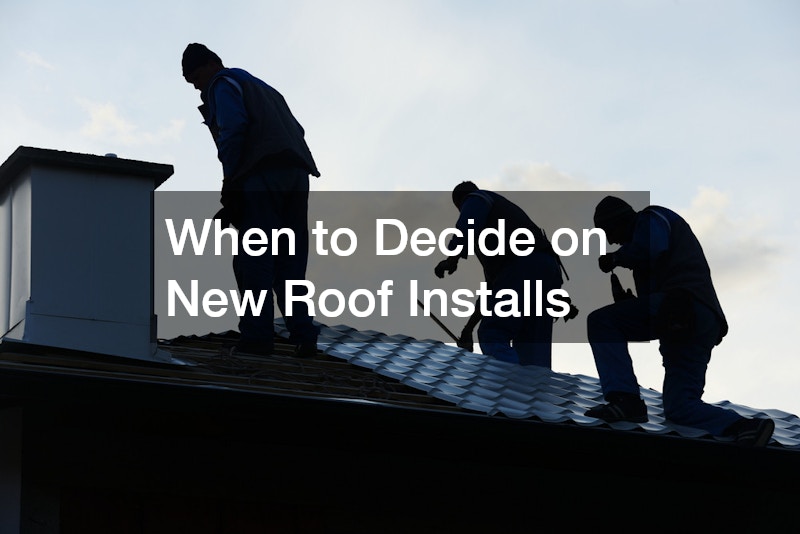

Your home’s roof is its first line of defense against severe weather, extreme temperature shifts, and natural debris. However, because it sits out of daily sight, many homeowners delay necessary replacements until a major leak causes visible interior damage. Knowing when to transition from quick patch repairs to full new roof installs can save you thousands of dollars in structural restoration, dry rot remediation, and emergency cleanup fees.
Recognizing the key indicators—ranging from physical material wear to financial efficiency—will help you make a confident, timely decision about replacing your roof.
1. Age of Your Existing Roofing System
Every roofing material comes with a projected lifespan. Age is often the most reliable baseline when determining if it is time to plan for a complete replacement.
Expected Lifespans by Material
-
Traditional 3-Tab Asphalt Shingles: 15 to 20 years
-
Architectural / Dimensional Shingles: 25 to 30 years
-
Standing Seam Metal Roofing: 40 to 70 years
-
Concrete or Clay Tile: 50+ years
If your asphalt shingle roof is approaching or past its 20-year mark, even a surface that looks decent from the ground likely has degraded underlayment and weakened structural resilience underneath. Continuing to apply quick repairs on an aging roof offers diminishing returns.
The “Layering” Dilemma
If your current home has two layers of shingles installed—a common historical practice to save on initial labor costs—a third layer is generally prohibited by building codes due to weight constraints. When an multi-layer roof begins to fail, spot patching becomes ineffective, and a full tear-off and replacement is the only viable path forward.
2. Visible Exterior Warning Signs
Walking around your home’s perimeter or conducting a safe inspection from a ladder can reveal obvious signs of structural fatigue.
Advanced Shingle Degradation
Look closely at the individual shingles across all slopes. Clear signs that new roof installs are necessary include:
-
Curling or Cupping Edges: Shingles turning upward at the edges lose their wind resistance and allow wind-driven rain underneath.
-
Cracked or Missing Shingles: Widespread cracking indicates the asphalt binder has dried out due to UV exposure and heat cycles.
-
Granule Accumulation in Gutters: Granules protect the underlying asphalt from solar radiation. If your gutters are filled with heavy, sand-like sediment, the shingles are near the end of their operational life.
Sagging Roof Deck
A roofline should run completely straight and rigid. Any visible dip, sway, or sag along the ridge or valleys points to moisture penetration that has compromised the wooden decking, rafters, or trusses. A sagging roof requires immediate professional evaluation and typically necessitates replacing both the decking and the roofing surface.
3. Interior and Attic Indicators
Interior signs often reveal water intrusion long before leaks drip through your ceiling drywall.
Attic Space Inspections
During daytime hours, go into your attic with the lights off. If you notice daylight shining through the roof boards, water can easily follow the same path. Check the underside of the roof sheathing for dark water staining, soft spots, mold growth, or rusty nails.
Unexplained Energy Bill Spikes
A roof does more than shed rain; it plays a critical role in home ventilation and thermal regulation. If your heating and cooling costs rise dramatically without changes in usage, degraded roofing underlayment or compromised attic ventilation may be allowing conditioned air to escape.
4. Financial Considerations: Repair vs. Replace
Deciding between another round of repairs and investing in new roof installs often comes down to long-term value.
The 30% Rule
A good industry guideline is the 30% rule: if repairs will cost more than 30% of the price of a full roof replacement, or if more than 30% of the total roof area exhibits damage, replacing the entire roof is substantially more cost-effective.
Insurance Coverage and Storm Damage
Severe hail, fallen tree limbs, or high-wind events often justify insurance claims that cover full roof replacements. Delaying a claim or attempting temporary fixes on storm-damaged roofs can lead to claim denials later if secondary moisture damage develops over time.
5. Benefits of Timely Roof Replacement
While investing in a complete replacement requires upfront capital, delaying a necessary project exposes your home to compounded damage. Timely installations deliver significant modern advantages:
-
Enhanced Energy Efficiency: Modern roofing systems utilize reflective shingle technologies and advanced ridge venting systems to lower summer cooling loads.
-
Superior Wind Resistance: Today’s architectural shingles carry wind resistance ratings up to 130 mph, compared to much lower limits on older 3-tab materials.
-
Increased Property Value: A new roof provides an average return on investment (ROI) of 60% to 70% at resale, while dramatically increasing home curb appeal.
-
Warranty Protection: New installs come with manufacturer material warranties and contractor workmanship guarantees, providing decades of financial protection.
Conclusion
Deciding on new roof installs is a fundamental aspect of proactive home maintenance. By evaluating the age of your current system, watching for exterior shingle wear, inspecting attic space for moisture intrusion, and weighing recurring repair costs against long-term replacement value, you can act before catastrophic leaks occur. Partnering with a licensed, insured roofing contractor for an annual inspection ensures your home remains fully protected, energy-efficient, and secure against the elements for years to come.