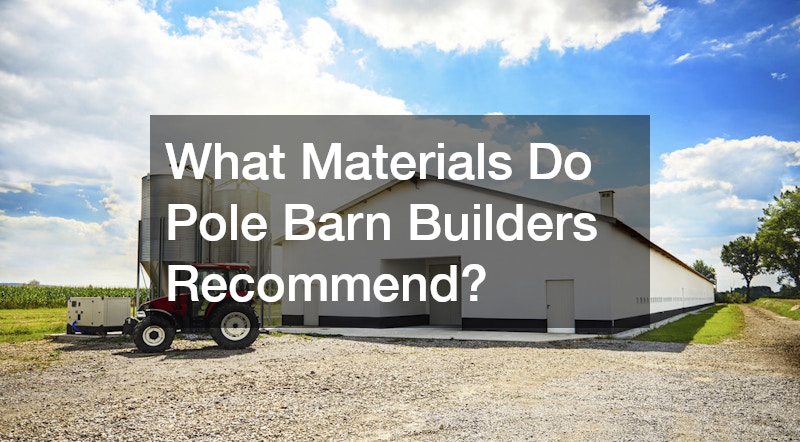

This article explores essential materials recommended by pole barn builders to ensure durability, functionality, and aesthetic appeal in pole barn construction. Building a pole barn requires careful consideration of various materials that can withstand environmental factors while meeting specific usage needs. The right materials not only enhance the structural integrity of the barn but also contribute to its overall utility and appearance.
From wood choices to insulation, each component plays a crucial role in the building process. Dive into our comprehensive guide to understand which materials pole barn builders swear by for constructing long-lasting and efficient pole barns.
What are the best types of wood for pole barn construction?
When it comes to pole barn construction, selecting the right type of wood is paramount. Builders often recommend using pressure-treated laminated columns due to their excellent durability against ground moisture and pests. Southern Yellow Pine and Douglas Fir are popular choices for framing because they offer a strong, reliable foundation for the structure. These types of wood are also easy to work with, allowing for smoother building processes and modifications when necessary. Moreover, wood’s natural aesthetic adds a rustic charm that many pole barn owners appreciate.
What type of roofing materials do builders prefer for pole barns?
Roofing is a critical component of pole barn construction, influencing both the barn’s functionality and aesthetic appeal. Metal roofing is highly recommended by pole barn builders due to its durability, low maintenance, and resistance to harsh weather conditions. Galvanized steel panels are popular for their corrosion resistance and ability to withstand heavy snow and rain, making them a reliable choice for varying climates. Additionally, metal roofs reflect solar heat effectively, contributing to energy efficiency by keeping the interior cooler in the summer months. The sleek, modern look of metal roofing enhances the visual appeal of pole barns, offering a contemporary touch to the traditional structure design.
Another vital consideration for pole barn roofing is the efficiency of installation. Metal roofing systems are known for their ease of installation, allowing builders to complete projects more swiftly compared to other materials. Its lightweight nature reduces the stress on the structure, ensuring that the barn remains robust for many years. Furthermore, metal roofing materials are often made from recycled materials, adding an eco-friendly dimension to their appeal. This sustainable choice aligns with the growing trend of environmentally conscious building practices.
What insulation materials are most effective for pole barns?
Insulation is pivotal in optimizing the climate control within a pole barn, ensuring it remains comfortable and functional year-round. Spray foam insulation is a top choice due to its superior coverage and ability to create an airtight seal, which helps significantly reduce energy costs. This material adheres to surfaces, filling all nooks and crannies, which helps in controlling moisture and preventing mold growth. Builders appreciate its high R-value, which indicates excellent thermal resistance, keeping the interior warm during winter and cool in summer. The use of spray foam also contributes to the structural strength of the pole barn, adding an extra layer of durability.
What flooring options are recommended for pole barns?
The choice of flooring in a pole barn significantly impacts its functionality and ease of use, and builders often recommend concrete as a top option for its durability and versatility. Concrete floors can withstand heavy equipment, vehicles, and high foot traffic, making them ideal for a variety of uses such as workshops, garages, or storage areas. Additionally, the finished concrete provides a smooth, level surface that can be easily cleaned and maintained. The possibility of treating the surface with sealants or finishes adds to its longevity by offering additional protection against stains and wear. Moreover, concrete’s fire resistance is an added safety feature valued by many pole barn owners.
For barns that serve more specialized purposes, such as horse stables or agricultural buildings, builders might suggest dirt or gravel floors. These types of flooring allow for more natural drainage and are more forgiving on animals’ hooves than harder surfaces. While not suitable for all barn uses, dirt or gravel are cost-effective and require minimal upkeep, making them a practical choice for specific needs. However, they can generate dust, which may necessitate additional maintenance or the use of stabilizers to mitigate this issue. When considering such flooring options, it’s crucial to weigh the specific requirements of the barn’s intended use.
Selecting the right materials for pole barn construction can significantly impact the barn’s longevity and utility. By considering the recommendations shared in this article, builders and homeowners can make informed choices. The materials discussed—from wood and roofing to insulation and flooring—each serve vital roles in creating a pole barn that is both durable and functional. Emphasizing quality and suitability at every stage of construction ensures the barn stands strong against environmental challenges while meeting the specific needs of its owners. With careful planning and consideration, a pole barn can become a versatile and long-lasting addition to any property, providing value for years to come.