

Your house doesn’t send a text message when it starts losing value. Instead, the decline shows up as small, easy-to-ignore details: a musty smell, a slow internet connection, a cracked shingle, or a closet that’s just a little too full. Left unchecked, these minor issues compound over time and can knock thousands of dollars off your home’s resale price. This guide walks through the hidden signs that quietly erode your property’s worth and what you can do about each one before it becomes a bigger problem.
Musty Odors Signal Poor Indoor Air Quality
A stale or musty smell in your home is rarely just an odor problem. It often points to trapped dust, mold spores, or debris circulating through your ventilation system, which can turn off buyers the moment they walk through the door. Air quality issues are one of the first things sensitive buyers notice, even if they can’t pinpoint the exact cause.
Bringing in an air duct cleaning company periodically helps remove the buildup that contributes to poor smells and allergy symptoms. This is especially important if your home has carpeting, pets, or hasn’t had its ductwork serviced in several years. Clean air systems are a subtle but real selling point when it’s time to list your home.
Before listing, homeowners can also check nearby supply and return vents for visible dust, moisture stains, or unusual residue. Addressing these warning signs early can make the home feel fresher during showings and may prevent buyers from assuming a larger HVAC problem exists. Even small improvements to airflow and cleanliness can help rooms feel more comfortable, maintained, and ready for move-in day for buyers.
- Musty smells often trace back to dust and debris trapped in vents
- Poor air circulation can worsen allergies and reduce comfort
- Regular duct maintenance supports better HVAC efficiency
- Buyers often associate odors with deferred maintenance elsewhere
Stained or Worn Upholstery Drags Down First Impressions
Furniture that looks tired, stained, or discolored can make an entire room feel neglected, even if the walls and floors are in great shape. This matters most when you’re preparing to sell or host potential buyers, since staged rooms carry a lot of weight in first impressions. Fabric surfaces absorb odors, dust, and spills over the years, and it shows.
Scheduling professional upholstery cleaning before photos or showings can dramatically refresh a room without the cost of new furniture. It’s a low-cost way to make living spaces feel updated and well cared for. Clean fabric also signals to buyers that the rest of the home has likely received similar attention.
A cleaning appointment can also help homeowners avoid replacing otherwise functional pieces simply because the fabric looks worn. Professional methods can lift embedded dirt from high-use areas, brighten dulled colors, and improve the presentation of sofas, chairs, and sectionals. When the room feels cleaner and more polished, buyers can focus on the space itself instead of being distracted by visible wear or lingering odors.
- Faded or stained upholstery makes rooms look dated
- Deep cleaning can extend the life of furniture by several years
- Fresh-looking fabric improves listing photos and showings
- Odor removal from fabric improves overall indoor air quality

Unsealed Gaps and Openings Invite Pests and Energy Loss
Small gaps around pipes, wiring, foundations, and utility penetrations are often overlooked, but they create pathways for pests, moisture, and drafts. Over time, these openings can lead to higher energy bills and even structural damage if water finds its way in. Home inspectors flag these gaps regularly, and buyers take note.
Even minor openings can become problematic as seasonal temperature changes cause building materials to expand and contract. Gaps that seem insignificant may widen over time, giving insects and small animals easier access while allowing conditioned air to escape. Sealing these vulnerable areas also helps reduce indoor temperature fluctuations, supports consistent HVAC performance, and limits the chance of hidden moisture developing behind walls or insulation.
Professional void filling services address these gaps at their source, sealing off entry points before they become bigger issues. This is particularly important in older homes or those with additions where construction seams weren’t properly sealed. Addressing voids proactively protects both energy efficiency and structural integrity.
- Unsealed gaps allow pests, rodents, and moisture inside
- Energy loss through small openings adds up over a year
- Sealing voids protects insulation from degrading prematurely
- Inspectors often note these issues in pre-sale reports
Dingy Carpets Signal Neglect Throughout the Home
Carpeting takes a beating from foot traffic, spills, and pet dander, and it shows faster than almost any other surface in the house. Dull, stained, or matted carpet can make an otherwise well-maintained home feel run-down. Buyers often mentally subtract the cost of replacement flooring when they see worn carpet, even if the rest of the home is in good shape.
Hiring a reliable carpet cleaning service on a regular basis can extend the life of your flooring and keep it looking fresh for years longer than it would otherwise. This is a far more affordable option than full replacement and can be done relatively quickly before a showing or open house. Consistent maintenance also prevents allergens and debris from building up deep in the fibers.
- Deep cleaning removes embedded dirt that vacuuming misses
- Stain treatment can restore carpet that looks beyond saving
- Regular cleaning extends carpet lifespan significantly
- Fresh carpet improves both appearance and air quality
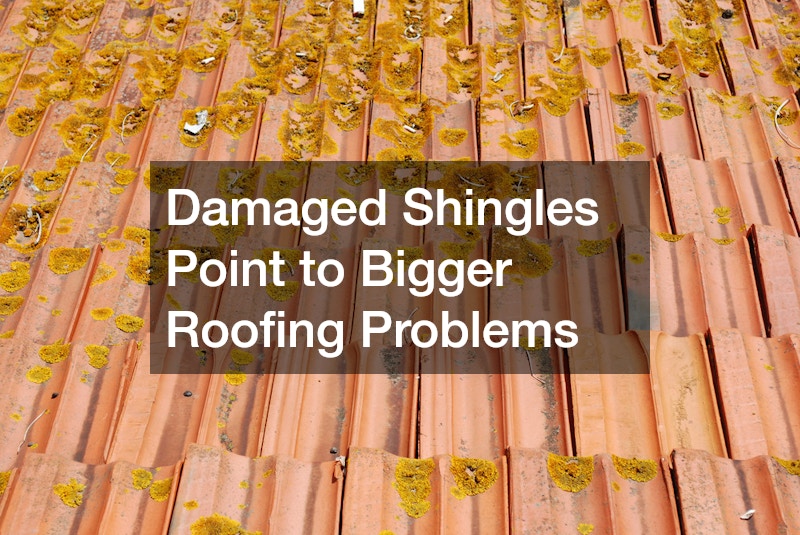
Damaged Shingles Point to Bigger Roofing Problems
A roof in disrepair is one of the fastest ways to scare off potential buyers, since it signals a costly fix looming on the horizon. Curling, cracked, or missing shingles are early warning signs that shouldn’t be ignored, even if there’s no active leak yet. Left alone, minor damage tends to spread and worsen with each passing storm season.
Timely roof repair can resolve isolated issues before they turn into widespread water damage or structural concerns. Addressing small sections promptly is almost always cheaper than waiting until the damage spreads across the entire roofline. A well-maintained roof reassures buyers that the home has been cared for from the top down.
Buyers may also view visible roof damage as a sign that other maintenance has been postponed, which can weaken confidence in the property. Scheduling an inspection before listing gives homeowners time to identify vulnerable areas, replace damaged materials, and correct drainage concerns. Even modest improvements can make the roof look more consistent, helping the exterior appear cleaner and reducing concerns during a buyer’s walkthrough.
- Curling or missing shingles indicate accelerated wear
- Small leaks can lead to mold and insulation damage if ignored
- Granule loss in gutters is an early warning sign
- Prompt repairs are far less expensive than large-scale fixes
An Aging Roof Structure Undermines Buyer Confidence
Every roof has a lifespan, and once it approaches the end of its expected years of service, patch repairs stop being a reasonable long-term solution. Buyers and inspectors alike pay close attention to the age and condition of a roof, since it’s one of the most expensive components to replace. A roof nearing the end of its life can significantly lower offers or scare away buyers altogether.
In these cases, a full roof replacement often makes more financial sense than continuing to patch an aging system. While the upfront cost is higher, it can boost resale value and give buyers confidence that they won’t face a major expense shortly after moving in. Many homeowners find that a new roof pays for itself through a smoother, faster sale.
- Most asphalt shingle roofs last twenty to twenty-five years
- Multiple recent repairs may indicate it’s time for a full replacement
- A new roof can improve curb appeal and insulation performance
- Warranty coverage on new roofing adds buyer peace of mind

Outdated Kitchens Fail to Meet Buyer Expectations
The kitchen is often called the heart of the home, and it’s also one of the first areas buyers judge when estimating a property’s value. Dated cabinets, worn countertops, and old appliances can make an otherwise solid home feel stuck in the past. Even small kitchens can significantly influence a buyer’s overall impression of the property.
Working with an experienced kitchen remodeling contractor can help homeowners prioritize upgrades that offer the best return on investment, rather than overspending on unnecessary changes. Simple updates like new countertops, updated hardware, or refreshed cabinetry often deliver more value than a full gut renovation. A thoughtfully updated kitchen can be one of the strongest selling points in a listing.
- Countertop and cabinet updates often yield strong returns
- Energy-efficient appliances appeal to cost-conscious buyers
- Updated lighting can make a kitchen feel significantly larger
- Minor remodels can recoup much of their cost at resale
Cluttered Rooms Make Homes Feel Smaller Than They Are
Overflowing closets, packed garages, and cluttered rooms can make a home feel cramped, even if the actual square footage is generous. Buyers struggle to picture their own belongings in a space that already looks full, and clutter can distract from a home’s best features. This is especially true during showings, when first impressions matter most.
Renting temporary storage services during the selling process allows homeowners to declutter without getting rid of belongings they still want to keep. This creates a cleaner, more spacious feel throughout the home and helps buyers focus on the property itself rather than personal items. It’s a simple, affordable step that can make a noticeable difference in how a home shows.
- Decluttering makes rooms appear larger in photos and in person
- Removing excess furniture improves walking flow through the home
- Off-site storage protects belongings during the selling process
- Staged, open spaces tend to sell faster than cluttered ones
Neglected Cleaning Routines Age a Home Faster
Dust buildup, grimy baseboards, and neglected bathrooms can make a home feel older and less cared for than it actually is. These small details accumulate over time and are often the first things buyers notice, even before they consciously register what’s bothering them. A consistently clean home signals ongoing maintenance and pride of ownership.
Bringing in a home cleaning service on a regular basis, or especially before listing a property, helps address the buildup that daily routines tend to miss. Professional cleaning covers details like grout, vents, and hard-to-reach corners that significantly affect how fresh a space feels. This kind of consistent upkeep protects the home’s appearance and value over the long run.
- Deep cleaning addresses areas often missed in routine upkeep
- Clean grout and fixtures make bathrooms look newer
- Fresh-smelling, spotless homes create stronger buyer impressions
- Regular cleaning helps prevent long-term grime and staining

Slow Connectivity Options Turn Away Modern Buyers
In today’s market, reliable internet access is treated less like a luxury and more like a basic utility, especially for remote workers and streaming households. A home stuck with limited or unreliable connectivity options can lose appeal quickly compared to similar properties in better-connected areas. This is a factor many sellers overlook when evaluating what might be dragging down interest in their listing.
Researching available highspeed internet providers in your area and highlighting strong connectivity in listings can make a real difference to prospective buyers. Homes with access to fiber or high-bandwidth service options often stand out in comparison to those limited to slower alternatives. It’s worth confirming what’s available before listing, since this information frequently comes up during buyer inquiries.
- Fast, reliable internet is a top priority for remote workers
- Multiple provider options can increase a home’s marketability
- Streaming and smart home devices require dependable bandwidth
- Buyers increasingly research connectivity before making offers
Most of the value your home quietly loses doesn’t come from one dramatic event, but from an accumulation of small, overlooked details. The good news is that each of these issues is manageable once you know what to look for and address them proactively. Start with a simple walkthrough of your own home, noting anything that feels dated, dirty, or in disrepair, and tackle the most pressing items first. A little consistent attention now can protect your investment and pay off significantly when it’s time to sell.