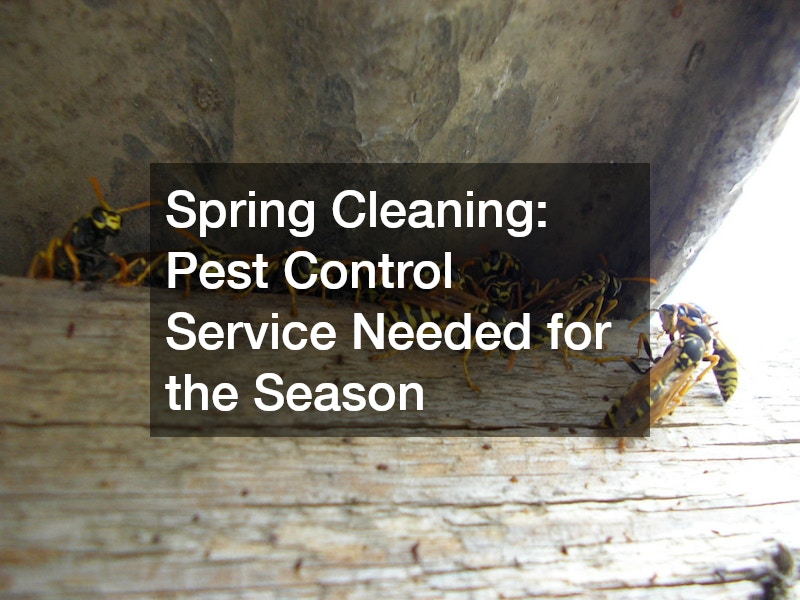

This article highlights the importance of engaging pest control services during spring cleaning. It addresses common concerns and queries regarding pest infestations as homeowners prepare for the new season.
Why is Spring the Best Time for Pest Control?
Understanding Seasonal Pest Activity
Spring sees increased activity from various pests due to warmer temperatures, making it the ideal time for pest control. Homeowners should act preemptively to prevent minor issues from escalating into full infestations. Early pest control can save time and resources, as pests like ants, termites, and mosquitoes can reproduce rapidly.
Preventing Infestations Before They Start
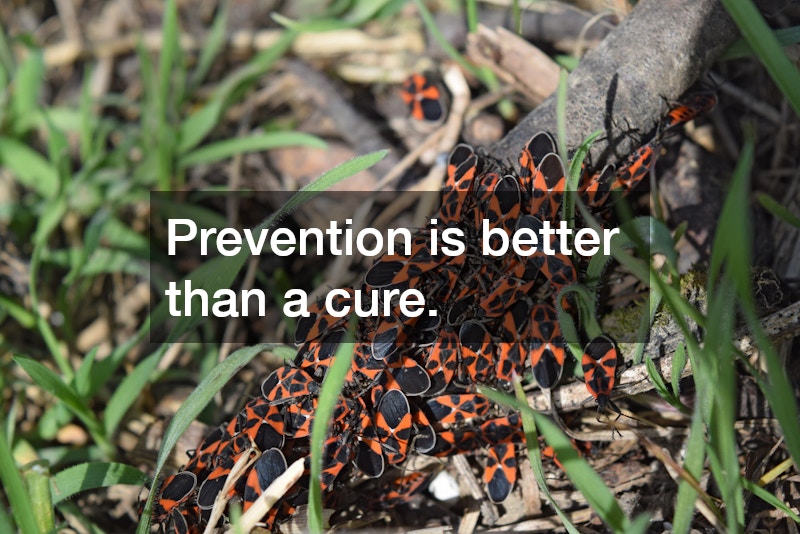
Prevention is better than a cure, a principle that holds true for spring pest control. Early treatments significantly reduce the likelihood of severe infestations, thus securing peace of mind and home integrity. Timely intervention is cost-effective and prevents extensive repairs needed for unchecked pest damage.
Benefits of Integrated Pest Management
Integrated Pest Management (IPM) offers a holistic, eco-friendly approach to pest control, utilizing biological, cultural, physical, and chemical tools. By aligning with the natural lifecycle of pests, IPM ensures long-term pest control while minimizing environmental impact.
Addressing Seasonal Allergies
Pests like dust mites and cockroaches can exacerbate allergies. Engaging pest control in spring can help reduce allergens inside homes. IPM and low-impact chemicals provide safe and effective pest control solutions, enhancing indoor air quality and promoting well-being.
Cost-Effectiveness
Spring pest control services are more cost-effective by addressing problems early, reducing the risk of major infestations and associated costs. Early intervention can prevent expensive damage, such as that from termites. Professional insights further optimize home protection strategies, providing financial and mental peace of mind.
What are the Signs that Professional Pest Control is Needed?
Identifying Common Pest Types and Their Signs
Recognizing signs of pests such as droppings, nests, and damaged materials is essential for early intervention. Consulting a pest control expert helps confirm pest presence, locate sources, and develop an effective plan. Early detection significantly mitigates the impact of infestations.
When DIY Pest Control is Not Enough
While DIY methods can be useful for minor issues, professional help may be needed for larger infestations. Experts bring tested methodologies and safety protocols, ensuring effective and safe pest control.
The Impact of Increasing Pest Populations in Spring
Spring increases pest populations, requiring swift action to prevent infestations. Professional services can manage these surges with proactive strategies, regular inspections, and modern technology.
What Should I Expect from a Professional Pest Control Service?
The Initial Inspection Process Explained
An initial inspection identifies the extent of an infestation, forming the foundation for a tailored treatment plan. Professionals provide detailed reports and collaborate with homeowners to strategize effective pest control.
Common Pest Control Methods and Technologies Used
Professional pest control methods include chemical treatments, baiting systems, and eco-friendly solutions. Modern technology, such as thermal imaging and remote monitoring devices, enhances pest management accuracy.
Understanding the Application of Eco-Friendly Solutions
Eco-friendly pest control minimizes reliance on harsh chemicals using methods such as IPM and natural deterrents. These approaches protect the environment and promote sustainable home protection.
Post-Treatment Support and Maintenance
Ongoing support after pest control treatments ensures effectiveness and prevents future issues. Professionals offer maintenance plans and advice on preventive measures to promote a pest-free home.
How to Prepare Your Home for Professional Pest Control?
Steps to Take Before a Pest Control Visit
Proper preparation involves clearing personal items and providing access to pest control professionals, ensuring thorough treatment. Safeguarding pets and securing consumables enhances treatment efficacy.
Decluttering and Organizing for Effective Treatments
Decluttering enhances treatment efficiency and reduces pest harborage. Clear spaces allow for effective pest control interventions.
Aftercare Tips Following Pest Control Services
Post-treatment care includes adhering to provided guidelines to maximize treatment effectiveness and maintaining vigilance against future infestations.
Are There Any Preventative Measures to Take Post-Treatment?
Effective Home Maintenance to Deter Pests
Regular checks and repairs of structures and waste management are key in deterring pests after treatment. Proactive maintenance ensures long-lasting pest control results.
Using Natural Repellents and Traps
Natural repellents and traps provide eco-friendly pest control, offering a safe alternative to harsh chemicals.
Monitoring and Addressing Entry Points
Regular monitoring and sealing entry points prevent pests from re-entering. Collaboration with professionals ensures effective strategies to maintain a pest-free environment.
Regular Cleaning and Decluttering
Consistent cleaning and decluttering reduce pest attractants, creating a tidy, pest-resistant home environment.
Engaging with pest control services in spring ensures a pest-free environment and aligns with eco-friendly practices. Vigilant maintenance and proactive strategies safeguard homes, providing yearlong benefits in residential wellbeing and effective pest management.