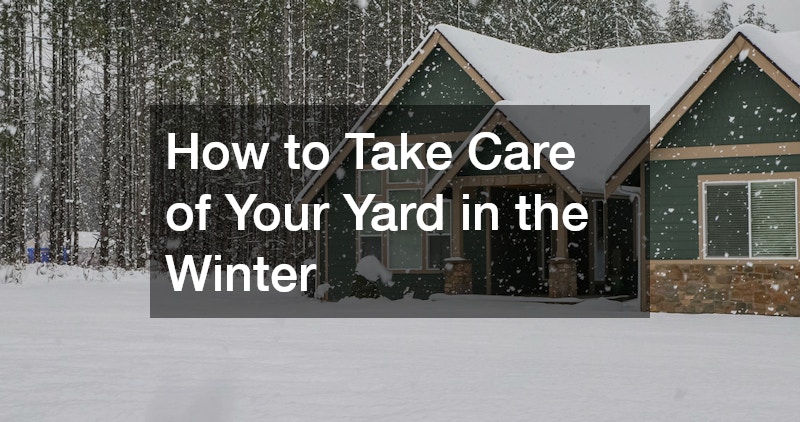

Winter can be a challenging time for maintaining your yard. Cold temperatures, snow, and ice can take a toll on your landscape if you’re not prepared. However, with the right care and strategic planning, you can keep your yard healthy and attractive through the colder months—and set it up for a thriving spring.
Video Source
1. How to Prepare Your Yard for Winter
A. Raking and Removing Leaves
Before winter fully sets in, it’s important to clear fallen leaves from your lawn. When leaves accumulate, they trap moisture, creating a breeding ground for mold, fungus, and pests.
This trapped moisture can also lead to bare patches in the spring. A thorough raking, or using a leaf blower or mulching mower. helps your grass breathe and ensures sunlight can still reach the soil.
B. Fertilizing and Sustaining Soil Health
Applying a winter fertilizer is one of the most effective ways to protect your lawn through the cold season. Winter fertilizers are rich in potassium, which strengthens roots and improves your lawn’s ability to withstand freezing temperatures. Organic compost can also be added to garden beds to boost nutrient levels and support microbial activity. Healthy soil is the foundation of a resilient yard, and winter is the perfect time to fortify it.
C. Aerating the Lawn
Aeration is crucial before the ground freezes. By perforating the soil with small holes, you allow oxygen, water, and nutrients to reach the root system more easily. Aeration reduces soil compaction and enhances moisture absorption, preventing water from pooling and freezing. Whether you use a manual aerator or hire local landscapers to handle the job, aerating before winter gives your lawn the best chance for strong regrowth in spring.
2. What to Do with Your Lawn During Winter
A. Reducing Foot Traffic
When grass is frozen or snow-covered, it becomes more vulnerable to damage. Repeated foot traffic can compact the soil and break fragile blades, leaving visible paths that may take months to recover. Encourage family members and guests to stick to sidewalks or designated walkways to protect your lawn until spring.
B. Managing Snow Accumulation
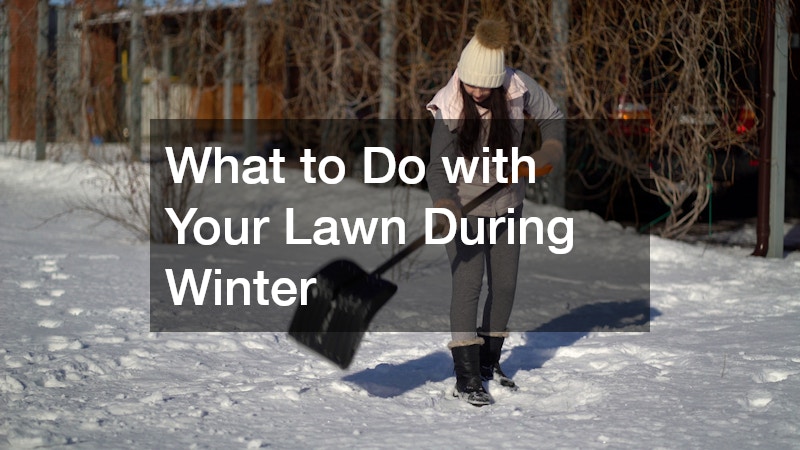
Snow is a natural insulator for grass, but too much accumulation can smother plants or lead to mold issues such as snow mold. Regularly shovel walkways and driveways, directing snow piles away from the lawn when possible. Using a roof rake for heavy roof snow also prevents large dumps of ice and snow from crushing your landscaping.
C. Dealing with Ice and Frost
Frost can be particularly damaging because walking on frosted grass causes blades to break. It’s best to avoid mowing or stepping on your lawn until frost melts in the morning sun. When ice forms, resist breaking it up, as this can further harm the grass. Instead, allow it to thaw naturally.
D. Watering Strategy Changes
Lawns generally need far less water during winter, but that doesn’t mean watering stops entirely, especially in regions with dry winters. Water your lawn occasionally during warmer winter days when temperatures rise above freezing. This prevents roots from drying out and helps your lawn survive periods of drought-like conditions.
3. How to Maintain a Yard’s Beauty Through Winter
A. Choosing Winter Plants
Adding winter-hardy plants can keep your landscape attractive even when most vegetation is dormant. Evergreens, holly, winterberry, and ornamental grasses provide structure and color. These low-maintenance choices maintain visual appeal without requiring much upkeep.
B. Installing Features for Winter Interest
Hardscape features, such as stone pathways, garden sculptures, benches, or arbors, stand out beautifully against snowy backdrops. These elements give your yard depth and definition throughout the winter, making it feel thoughtfully designed even when flowers aren’t in bloom.
C. Lighting for Aesthetic and Safety
Outdoor lighting enhances both curb appeal and safety during darker winter months. Soft pathway lights, up-lighting for trees, and warm porch lighting can transform your yard’s appearance. LED lights are energy-efficient and durable, making them ideal for winter use.
Taking a proactive approach to winter yard care not only preserves the health and appearance of your landscape but also sets the stage for a vibrant spring. With proper preparation, attention, and thoughtful enhancements, your yard can remain a source of beauty and enjoyment all year round, even through the coldest months.