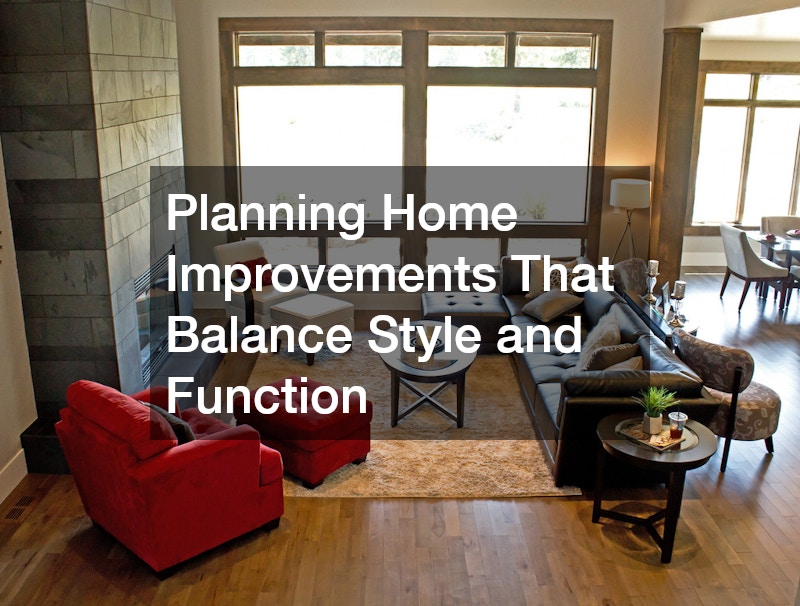

Home improvement projects often begin with inspiration. A photo, a trend, or a neighbor’s renovation can spark excitement and motivation. But the most successful upgrades are rarely driven by appearance alone. They are shaped by thoughtful planning that considers how a space is used, how materials perform over time, and how improvements fit into the larger picture of the home.
A well-balanced improvement enhances how a home looks and how it functions. It supports daily routines, withstands wear, and still feels cohesive years after installation. Without that balance, even beautiful projects can become frustrating, inefficient, or costly to maintain.
This guide explores how homeowners can plan improvements that achieve both goals. From interior spaces to exterior systems, each section focuses on aligning design choices with real-world performance so upgrades remain valuable, usable, and visually appealing long after completion.
Too often, homeowners commit to projects without fully understanding the long-term implications of their choices. A material that photographs well may require constant upkeep, or a layout that looks spacious may disrupt everyday movement. These disconnects usually appear after the excitement fades, when daily use reveals flaws that could have been avoided with better planning.
Taking time to evaluate how a space is lived in-who uses it, how often, and for what purpose-leads to smarter decisions from the start. Function-first planning does not mean sacrificing style; it ensures that design choices are supported by practicality. When aesthetics and performance are considered together, improvements feel intentional, durable, and rewarding, delivering value that extends well beyond the initial renovation.
Designing Kitchens That Work as Good as They Look
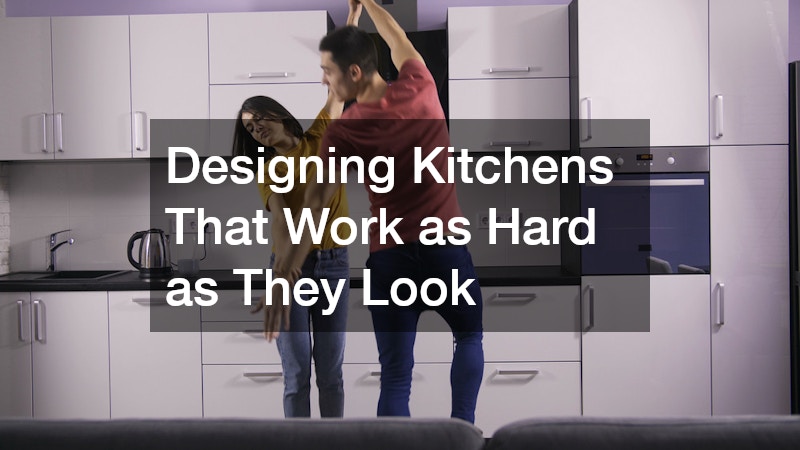
The kitchen is one of the most frequently used spaces in any home. It must support cooking, cleaning, storage, movement, and often social interaction. When form outweighs function in this space, daily inefficiencies become unavoidable.
Poorly planned kitchens can lead to cluttered countertops, awkward traffic patterns, and limited storage for essential items. Over time, these small inconveniences add up, turning routine tasks into sources of frustration. Reaching for cookware becomes a challenge, appliances feel cramped, and meal preparation takes longer than it should.
Because the kitchen is used multiple times a day, even minor design flaws are amplified through repetition. A drawer that doesn’t open fully or a shelf that’s hard to access may seem insignificant at first, but quickly becomes an ongoing annoyance. Thoughtful planning prioritizes ease of use, logical layout, and accessibility, ensuring the space supports real-world habits rather than forcing homeowners to work around design shortcomings.
Understanding how storage design affects daily routines
Storage decisions determine how smoothly a kitchen operates. Poorly planned layouts may look sleek, but often result in cluttered counters and wasted space.
Key considerations include:
- Frequency of use for cookware, dishes, and appliances
- Reachability for all household members
- Visibility versus concealment
- Flexibility as needs change over time
Well-planned kitchen cabinet shelves allow homeowners to organize items logically, reducing frustration and improving workflow. Shelf height, adjustability, and load capacity all influence how usable the space remains long term.
Choosing shelving configurations that support organization
Not all shelving serves the same purpose. Planning should account for different storage needs rather than relying on uniform layouts.
Effective strategies include:
- Adjustable shelves for evolving storage needs
- Deeper shelves for small appliances
- Pull-out systems for lower cabinets
- Reinforced shelving for heavy cookware
Designing storage around how the kitchen is actually used prevents wasted space and daily inconvenience.
Planning layout changes with professional guidance
Structural changes, appliance relocation, and layout redesigns often require expert input. Experienced kitchen contractors help homeowners evaluate feasibility, code requirements, and long-term performance before construction begins.
Their guidance helps avoid:
- Inefficient traffic flow
- Poor lighting placement
- Inadequate electrical or ventilation planning
- Costly revisions after installation
Balancing aesthetics with practicality during planning ensures the kitchen supports daily life without sacrificing visual appeal.
Aligning materials with durability expectations
Style trends change quickly, but kitchens endure constant use. Selecting finishes and materials that resist moisture, heat, and wear ensures the space remains attractive and functional for years.
Protecting Your Home’s Top Layer Without Sacrificing Curb Appeal
The roof is one of the most important protective systems in a home, yet it is often chosen based on appearance alone. While style matters, performance determines how well the home is protected from weather, temperature extremes, and long-term structural damage.
A roof’s role extends far beyond visual appeal. It manages water runoff, regulates heat transfer, and shields the structure from wind, debris, and moisture intrusion. When roofing materials or designs are selected without considering these demands, problems can develop quietly beneath the surface. Poor ventilation may trap heat and moisture, shortening material lifespan and increasing energy costs.
Because roofing issues are not always immediately visible, damage can progress for months or even years before being noticed. Small weaknesses can lead to leaks, insulation failure, or compromised framing. Thoughtful planning focuses on durability, climate suitability, and proper installation, ensuring the roof performs reliably while still complementing the home’s overall design.
Understanding how roofing choices affect performance
Roofing materials influence more than curb appeal. They affect:
- Energy efficiency
- Moisture management
- Ventilation effectiveness
- Lifespan of underlying structures
A reputable roofing company can help homeowners understand how material choices interact with climate, insulation, and attic design.
Balancing architectural style with durability
A roof should complement the home’s architecture while meeting functional demands. Some materials may suit a home visually but perform poorly in certain environments.
Planning considerations include:
- Wind resistance
- Heat reflectivity
- Weight compatibility with framing
- Maintenance requirements
Local roofers are often familiar with regional weather patterns and common failure points, making them valuable resources during planning.
Knowing when replacement is the smarter option
Homeowners sometimes invest in surface repairs when underlying systems are near failure. Recognizing when replacement offers better long-term value prevents repeated expenses and ongoing risk.
Signs that deeper evaluation is needed include:
- Repeated leaks
- Widespread shingle deterioration
- Sagging areas
- Rising energy costs
Scheduling projects strategically
Timing roofing projects to align with seasonal conditions and budget cycles helps minimize disruption and unexpected costs while ensuring high-quality results.
Improving Shade, Comfort, and Outdoor Usability

Outdoor spaces add value only when they are usable. Excessive sun exposure, heat buildup, and glare can make patios and decks uncomfortable for much of the year. Thoughtful planning transforms these areas into functional extensions of the home.
Without adequate protection from the elements, outdoor areas often go unused despite their potential. Furniture fades, surfaces overheat, and occupants retreat indoors during peak sunlight hours. These issues reduce the return on investment for exterior upgrades and limit how often homeowners enjoy their outdoor environments.
Effective planning begins with understanding how sunlight moves across the property throughout the day and how seasonal changes affect comfort. By addressing shade, airflow, and surface temperatures, homeowners can create spaces that remain comfortable longer. Well-designed outdoor areas support dining, relaxation, and entertaining, allowing homeowners to fully benefit from their outdoor square footage rather than treating it as an occasional-use feature.
Identifying underperforming outdoor spaces
Before choosing upgrades, homeowners should evaluate how outdoor areas are currently used-and why they may be avoided.
Common issues include:
- Direct sun exposure during peak hours
- Heat radiating from adjacent surfaces
- Lack of adjustable shade
- Indoor heat gain through nearby windows
Understanding these limitations guides smarter improvement choices.
Increasing comfort through adaptable shade solutions
Flexible shading allows outdoor spaces to adapt to changing conditions. Unlike fixed structures, adjustable systems provide coverage only when needed.
Motorized awning services offer:
- On-demand shade control
- Protection for furniture and finishes
- Reduced indoor cooling demands
- Improved usability throughout the day
When planned correctly, these solutions enhance both comfort and visual cohesion.
Supporting performance through surface enhancements
In addition to shade, surface treatments can improve overall performance. Roof coatings help reflect heat, protect materials, and extend service life when applied appropriately.
Benefits include:
- Reduced heat absorption
- Improved energy efficiency
- Added moisture protection
- Slower material degradation
Coordinating improvements for maximum effect
Shade solutions and surface treatments are most effective when planned together. Coordinated upgrades deliver better comfort outcomes than isolated improvements.
Choosing Exterior Finishes That Combine Protection and Design
Beyond material choice, proper installation and detailing play a major role in exterior performance. Even the most durable finishes can fail prematurely if seams, edges, and joints are not sealed or aligned correctly. Flashing, trim, and moisture barriers must work together to guide water away from the structure. Poor detailing often leads to hidden damage that remains unnoticed until repairs become extensive. By focusing not only on how finishes look, but also on how they are installed and maintained, homeowners create an exterior that remains attractive while providing reliable protection against the elements year after year.
Evaluating siding beyond aesthetics
Effective exterior planning considers:
- Resistance to moisture infiltration
- Insulation contribution
- Expansion and contraction behavior
- Long-term maintenance demands
A knowledgeable local siding company can help homeowners assess materials that perform well in their climate without sacrificing style.
Matching materials to architectural character
Siding profiles, textures, and colors should enhance the home’s design rather than overpower it. Balanced choices age better and maintain curb appeal longer.
Timeless planning avoids:
- Trend-heavy styles that date quickly
- Materials incompatible with nearby finishes
- Excessive contrast that disrupts cohesion
Understanding the importance of installation quality
Even premium materials fail when installed improperly. A skilled siding contractor ensures proper flashing, alignment, and ventilation details that determine how well siding performs over time.
Timing exterior upgrades strategically
Coordinating siding work with other exterior projects reduces labor duplication and ensures consistent detailing across systems.
Creating Driveways That Handle Use While Enhancing First Impressions
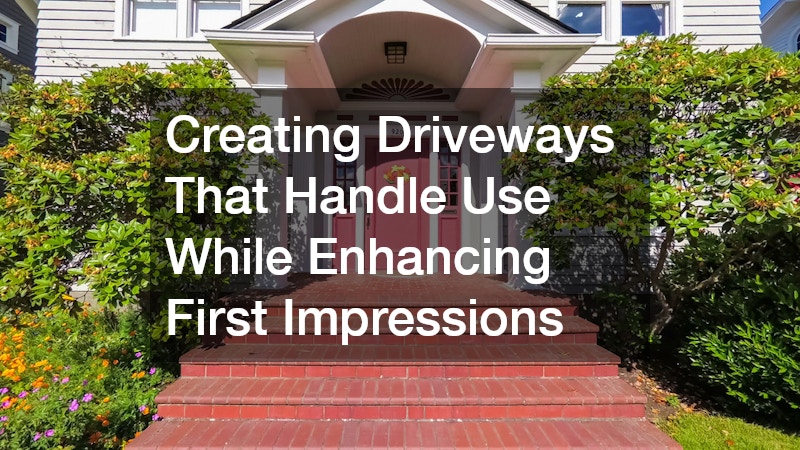
Driveways are among the most heavily used exterior surfaces, yet they are often treated as purely functional. A well-planned driveway supports daily use while contributing positively to curb appeal.
Because driveways endure constant vehicle traffic, weather exposure, and seasonal temperature changes, poor planning can lead to cracking, shifting, and drainage issues. These problems not only affect appearance but can also create safety concerns and accelerate surface deterioration. Thoughtful design considers how vehicles enter, turn, and park, as well as how water flows across the surface. When materials, layout, and drainage are aligned with real-world use, the driveway becomes a durable, visually cohesive feature that enhances both performance and first impressions.
Assessing usage patterns before choosing materials
Planning begins with understanding how the driveway is used:
- Number and weight of vehicles
- Turning and parking patterns
- Drainage behavior during storms
- Exposure to sun and freeze cycles
These factors determine which materials will perform best.
Comparing surface options for longevity and appearance
Different materials offer different balances of durability and design flexibility. A pavers driveway provides modular strength and visual customization, while other surfaces may offer lower upfront costs.
Key planning considerations include:
- Repairability
- Drainage performance
- Surface temperature
- Visual integration with landscaping
Designing for drainage and safety
Proper slope, edging, and base preparation prevent pooling, cracking, and surface shifting. An experienced driveway contractor accounts for these details during planning rather than correcting them later.
Integrating driveways with surrounding features
Driveways should align visually with walkways, entrances, and outdoor spaces. Unified planning enhances overall curb appeal and usability.
Building a Unified Improvement Plan That Lasts
Individual upgrades perform best when planned as part of a larger strategy. Viewing the home as a system helps homeowners avoid conflicting decisions and redundant expenses.
Effective planning involves:
- Prioritizing function before aesthetics
- Considering how upgrades interact
- Budgeting for durability rather than trends
- Scheduling projects to minimize disruption
A unified approach ensures improvements work together rather than competing for space, resources, or attention.
Successful home improvement is rarely about chasing the latest trend or copying a design seen elsewhere. It is about understanding how a home is used, how materials behave over time, and how individual upgrades contribute to the whole. When style and function are balanced intentionally, improvements feel natural rather than forced.
Thoughtful planning reduces regret, minimizes maintenance, and increases satisfaction long after construction ends. Each decision becomes an investment in comfort, efficiency, and long-term value rather than a short-lived upgrade.
By approaching improvements with clarity and purpose, homeowners create spaces that support daily life while still reflecting personal style. That balance is what transforms a house from a collection of features into a home that truly works.
Equally important, this approach helps homeowners make confident decisions at every stage of a project. Instead of feeling pressured by trends or overwhelmed by options, planning with function in mind provides a clear framework for evaluating materials, layouts, and features. It becomes easier to say no to elements that look appealing but offer little real-world benefit.
Balanced planning also supports long-term flexibility. Homes evolve as families grow, routines change, and needs shift. Improvements designed with adaptability in mind are far more likely to remain useful and appealing over time. Rather than requiring constant updates or corrections, these spaces continue to perform as intended.
Ultimately, thoughtful home improvement is an ongoing process rather than a one-time effort. Each well-considered project builds on the last, strengthening the home as a whole and ensuring it remains a comfortable, reliable, and welcoming place for years to come.