
The modern homeowner is often inspired by cosmetic renovations. Social media and TV focus on the appeal of quick kitchen facelifts, new backsplashes, or stylish bathroom vanities. While these add a personal touch, they remain superficial. A property’s true value lies in the systems and structures behind the walls and underneath the floors. Durable upgrades transition from reactive maintenance to strategic future-proofing. Waiting for a burst pipe, failing climate control during extreme weather, or water damage usually results in costly emergencies. Prioritizing your budget on functional elements—such as climate regulation, water management, exterior integrity, and quality foundational finishes—creates a resilient home. This ensures comfort, lowers utility costs, prevents decay, and increases resale value.
Calibrate Your Climate Systems for Peak Efficiency
Maintaining a comfortable indoor environment requires more than simply adjusting the thermostat. Your climate control system functions as the respiratory system of your property, and like any complex network, it demands preventative attention to function optimally. Dust buildup and mechanical wear reduce the efficiency of these systems, requiring more electricity while delivering subpar heating or cooling. Proactive maintenance can extend the lifespan of your equipment and prevent expensive breakdowns.
One of the most critical steps in future-proofing this infrastructure is committing to scheduled, seasonal maintenance before extreme temperatures hit.
-
Preventative mechanical care: Booking a comprehensive air conditioning service before the intense summer weather arrives allows technicians to clean heavily soiled condenser coils, calibrate thermostats, and verify optimal refrigerant levels.
-
Clearing vital pathways: Routine servicing ensures that condensate drains are completely flushed of algae or mineral blockages. A clogged drain pan frequently causes catastrophic water damage, as overflowing condensation rapidly ruins drywall and framing below the unit.
-
Mitigating compressor failure: Operating a system with restricted airflow or low refrigerant forces the compressor to run continuously. This extreme operational stress often leads to premature compressor death, an incredibly expensive mechanical failure to remedy.
When equipment reaches the end of its functional life, careful planning must dictate its replacement. You should never assume that simply swapping an old unit for a new one of identical size is the correct approach.
-
Demand load calculations: Prior to purchasing any new equipment, it is imperative to have a licensed HVAC contractor perform a formal Manual J calculation. This exact mathematical assessment evaluates your property’s total square footage, ceiling heights, window orientation, insulation quality, and local climate data.
-
Avoiding short-cycling: An oversized unit cools the house far too quickly and shuts off before it can adequately remove indoor humidity. This short-cycling leaves the ambient air feeling clammy while simultaneously accelerating mechanical wear on relays and motors.
-
Maximizing energy utilization: Conversely, an undersized unit runs non-stop, driving up your utility bills without ever reaching the desired temperature. Proper sizing ensures the equipment runs in long, highly efficient cycles, saving energy while perfectly balancing the indoor climate.
Seal and Heat Your Home’s Envelope
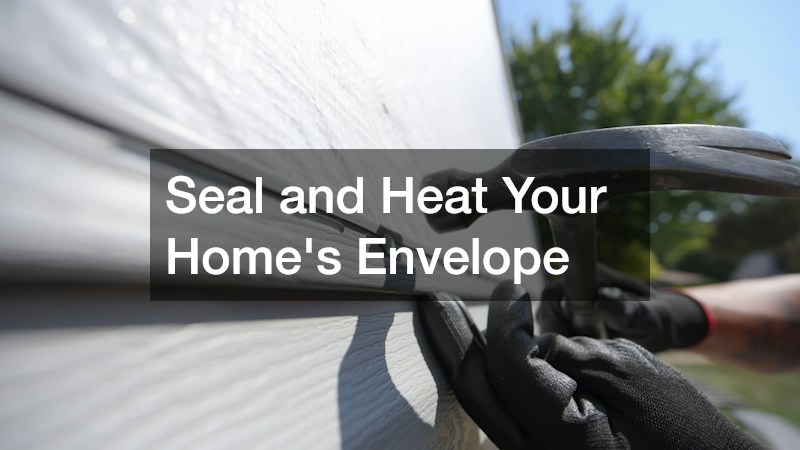
The concept of a home’s “envelope” is the barrier between the conditioned interior and the unconditioned outdoors. If compromised, even advanced heating equipment will waste fuel trying to offset thermal loss. Upgrading heating systems along with fortifying exterior cladding forms a strong barrier against winter weather, reducing energy costs and eliminating uncomfortable microclimates.
Modernizing your primary heat source is a central pillar of this strategy, moving away from outdated, single-stage equipment that blasts hot air inconsistently.
-
High-efficiency heating integration: Investing in modern furnace installations provides homeowners access to advanced modulating technology and variable-speed blowers. Modulating systems adjust their flame output in tiny increments to perfectly match the exact heating demand of the moment, rather than simply toggling on and off.
-
Superior AFUE ratings: Look for heating equipment boasting an Annual Fuel Utilization Efficiency rating of 95% or higher. This standard dictates that 95 cents of every dollar spent on combustible fuel is directly converted into usable heat, rather than venting uselessly up the chimney.
-
Eliminating cold spots: Variable-speed blower motors circulate warm air constantly at a very low, whisper-quiet speed. This continuous, gentle circulation mixes the air, effectively eliminating stagnant cold spots from the floor to the ceiling.
However, generating efficient heat is only half the battle; trapping it inside requires a formidable exterior barrier. Aging exterior materials easily allow wind-driven rain and freezing drafts to penetrate structural framing.
-
Upgrading exterior cladding: Investing in modern siding installations acts as a vital thermal break and a robust moisture shield. High-quality materials like engineered fiber cement or thick, insulated vinyl provide a seamless layer of structural protection.
-
Preventing structural rot: When water breaches old, failing cladding, it saturates the wooden sheathing and wall studs, leading to rapidly spreading wood rot and toxic mold inside wall cavities. Modern cladding systems are installed over advanced house wraps that block liquid water entirely.
-
Enhancing thermal resistance: Insulated cladding options feature a custom-contoured rigid foam backing. This added R-value blankets the exterior framing studs, preventing thermal bridging and keeping interior walls noticeably warmer to the touch during the winter.
Protect Your Pipes and Appliances from Hard Mineral Damage
The plumbing network hidden safely behind your drywall is arguably the most critical infrastructure in your entire home. When compromised, unchecked water damage can destroy decades of equity in a matter of hours. Furthermore, the chemical makeup of the water flowing through those pipes plays a massive, often ignored role in the longevity of the fixtures and your major daily appliances. A durable home requires both robust physical piping materials and an active, preventative strategy to manage water quality directly at the point of entry.
Addressing outdated or severely degraded supply lines should be a top priority for any long-term home renovation plan, particularly in older properties.
-
Replacing risky materials: Outdated materials like galvanized steel inevitably rust from the inside out, severely restricting water pressure and introducing debris. Similarly, older polybutylene piping is historically notorious for sudden, catastrophic ruptures without any prior warning.
-
Professional execution: Upgrading your plumbing infrastructure requires hiring certified plumbing contractors to thoroughly inspect the entire systemic layout, pull required municipal permits, and ensure all rough-in work meets modern building codes.
-
Modern material longevity: Repiping with modern materials guarantees decades of uncompromised reliability. Professionals can expertly sweat rigid copper joints for a traditional network, or utilize highly flexible cross-linked polyethylene (PEX) tubing. PEX naturally resists freezing, expands slightly rather than bursting, and utilizes heavy-duty crimp rings for a leak-proof future.
Beyond the physical pipes themselves, the unseen mineral content of your water supply acts as an invisible threat to your entire plumbing ecosystem. Hard water aggressively attacks the internal components of your home every single day.
-
Neutralizing mineral threats: Installing a whole-house water softener at the main municipal or well connection is a highly effective defensive upgrade. These systems utilize an ion-exchange process to capture destructive calcium and magnesium ions before they can travel freely through your plumbing network.
-
Protecting major appliances: Hard water scale acts as an unwanted insulator on water heater elements, forcing the unit to burn significantly more energy to heat the water. Scale also progressively destroys the internal valves and delicate pumps of expensive dishwashers and washing machines.
-
Preserving pipe diameters: Over the years, calcium deposits build up thickly inside the pipes, mirroring arterial plaque. Removing these minerals entirely ensures your pipes retain their maximum internal diameter, preserving strong, consistent water pressure for all your fixtures.
Invest in High-Traffic Surfaces and Moisture-Resistant Finishes
The physical surfaces of your living spaces absorb an incredible amount of daily, relentless punishment. From the impact of dropped items and the scraping of heavy furniture to the inevitable spills and relentless foot traffic, your floors and walls are constantly under siege. Investing proactively in commercial-grade, highly durable finishes keeps your home looking immaculate for years and completely prevents the need for disruptive, costly replacements every decade. The overarching goal is to carefully select materials that prioritize raw resilience and structural integrity over fleeting, seasonal aesthetic trends.
Upgrading your floors requires navigating a massive, sometimes confusing market of materials, and true durability demands speaking directly with experts who understand product engineering.
-
Sourcing structural resilience: Rather than purchasing flooring based purely on a pleasing color at a generic big box retailer, it is exceptionally wise to consult dedicated flooring stores that can accurately explain the specific wear layers and internal core construction of their products.
-
Luxury Vinyl Plank (LVP): For highly active households with large pets and frequent guests, commercial-grade LVP is an exceptional, bulletproof choice. It features a rigid, entirely waterproof core that will not warp or swell if a spill is left unattended. A thick urethane wear layer prevents dog claws and dragged chairs from penetrating the printed wood aesthetic.
-
Engineered Hardwood: If authentic wood is absolutely desired, choose premium engineered hardwood featuring a robust, thick top veneer. Engineered planks utilize a durable cross-plywood core that remains dimensionally stable against seasonal humidity changes, while still offering a rich surface that can be sanded and refinished decades later.
Moving vertically, the long-term durability of your walls relies entirely on the precise quality of the paint product and the meticulousness of the preparation prior to any application.
-
The necessity of thorough preparation: A lasting, flawless wall finish is largely a result of obsessive preparation. Engaging professional interior painting services guarantees that the crucial, labor-intensive foundational steps are never rushed or skipped.
-
Drywall repair and smoothing: True professionals will meticulously patch deep gouges, apply necessary skim coats to uneven textures, and utilize high-grit pole sanders to create a perfectly flat, structurally sound canvas. Without this rigorous prep work, paint eventually peels or glaringly highlights underlying structural flaws.
-
Selecting resilient sheens: Professionals know exactly which specific paint chemistry optimally belongs in which room. Specifying a highly washable sheen, such as a premium acrylic satin or eggshell, creates a hard, non-porous barrier allowing you to easily wipe away daily scuffs and stains with a damp sponge without damaging the pigment.
Regulate Indoor Temperature and Ensure Clean Drinking Lines
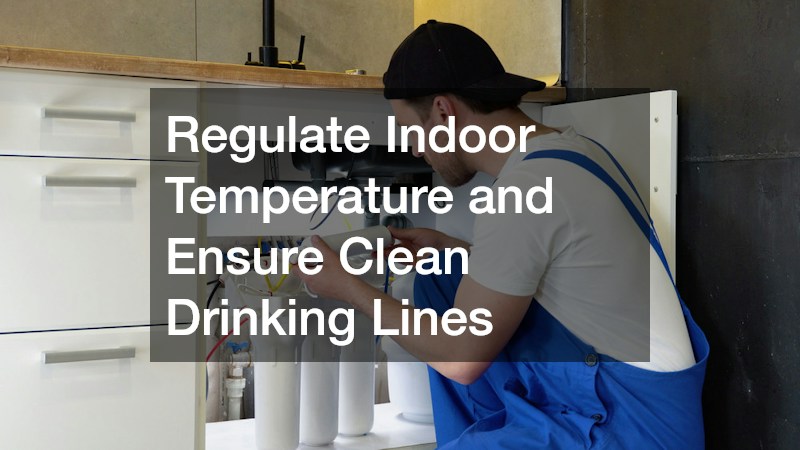
Creating a truly resilient, healthy, and comfortable home extends well into the finer details of environmental control and resource safety. While heavy mechanical systems handle the bulk of your home’s heating and cooling, passive temperature regulation plays a surprisingly massive role in maintaining a consistent, pleasant climate. Concurrently, while softening the utility water physically protects your plumbing infrastructure, targeted fine filtration is legally required to ensure the water you actually consume is entirely free of microscopic chemical contaminants. Addressing these final layers of defense creates a fully optimized, modern living space.
Windows are inherently the weakest thermal points in your home’s exterior envelope. Even high-quality, double-paned glass transfers significant thermal energy, inviting drafts and heat.
-
Creating secondary insulation: Investing heavily in engineered, custom window treatments acts as a powerful, secondary architectural barrier against the elements. Unlike basic decorative curtains, these are functional architectural upgrades designed specifically for tangible thermal management.
-
Cellular shade technology: Advanced cellular shades feature a pleated, multi-layered geometric design that effectively traps stagnant pockets of air directly against the glass pane. This trapped layer prevents freezing outdoor temperatures from radiating freely into your living room, significantly boosting the overall insulating R-value of the window assembly.
-
Blocking radiant heat: In the blazing summer months, thermal draperies equipped with highly reflective blackout linings effortlessly bounce destructive UV rays back outside. This passive thermal regulation prevents the greenhouse effect from baking your interior, taking immense operational pressure off your mechanical cooling systems.
Finally, protecting your family’s daily health requires a localized, highly targeted approach to drinking water safety. Municipal water treatment facilities successfully eliminate bacteria, but the water often picks up heavy metals from aging city infrastructure or retains irritatingly high levels of residual chlorine.
-
Targeting local contaminants: Because exact water chemistry varies dramatically by zip code and municipality, it is highly recommended to partner with a reputable local water filter service. These specialists will test your raw tap water to identify the exact parts-per-million concentrations of chlorine, lead, or volatile organic compounds.
-
Under-sink purification: Based on those highly localized test results, they will expertly mount and install advanced point-of-use systems directly beneath your kitchen sink, ensuring the primary drinking source is secured.
-
Advanced filtration mechanics: Utilizing intricate multi-stage reverse osmosis membranes or incredibly dense carbon block technology, these systems physically strip the water down to its purest state, ensuring every glass poured is entirely safe, clean, and delicious.
Upgrading a home with a focus on durability and long-term structural integrity is the most financially responsible approach to property ownership. It requires looking past the superficial allure of trending color palettes and focusing on the mechanics and materials that dictate how a house functions. True home value is linked to the reliability of climate systems, safety of the water supply, impermeability of the exterior, and resilience of the floors and walls. By focusing on these foundational elements, you protect your property against premature decay and unexpected failures. Conduct a thorough audit of your current environment and create a three-to-five-year roadmap that prioritizes the replacement of failing or inefficient systems. By addressing these core vulnerabilities, you will maximize your budget, lower utility costs, and secure a comfortable, stress-free home.