
Key Takeaways
- Prioritize essential repairs first. Address roofing, plumbing, electrical, structural, moisture, and other significant issues before spending on cosmetic upgrades.
- Improve the home’s overall condition. A clean, well-maintained, functional property can make a stronger impression during the appraisal.
- Focus on high-impact areas. Target kitchens, bathrooms, major systems, usable living spaces, and other features that can influence how the property compares with similar homes.
- Enhance the exterior. Keep landscaping, entryways, siding, fencing, walkways, and outdoor areas clean, functional, and in good condition.
- Consider energy-efficient upgrades. Improvements to insulation, windows, lighting, heating and cooling, and other systems can improve comfort and operating efficiency.
- Keep records of major improvements. Receipts, permits, warranties, and contractor documentation can help demonstrate the scope and quality of completed work.
- Spend strategically based on the local market. Compare your property with similar homes and avoid expensive renovations that may not provide a comparable increase in value.
A home appraisal can significantly influence how much a property is worth in the eyes of lenders, buyers, and homeowners. Whether you are preparing to sell, refinance your mortgage, or build equity, making thoughtful improvements before an appraisal can help present your property in its best possible condition. However, increasing appraised value is not simply about making expensive renovations.
Cleanliness, maintenance, functionality, energy efficiency, curb appeal, and comparable features in your local market can all affect an appraiser’s assessment. Understanding what appraisers look for allows homeowners to focus their time and budget on improvements that can make a meaningful difference without unnecessarily overspending.
What Does a Home Appraiser Look For?
Before making improvements, it helps to understand how an appraisal works. A professional appraiser evaluates a property to develop an opinion of its market value, considering its condition, size, location, features, and recent sales of comparable properties. The goal is not simply to determine how attractive the home looks but to assess how its characteristics compare with similar homes in the surrounding market. This means homeowners should think beyond cosmetic upgrades and consider the property’s overall functionality and condition. The following factors can influence an appraisal and provide a useful starting point when deciding which improvements deserve attention before the inspection.
An appraiser may consider:
- Overall condition: A well-maintained property generally presents fewer concerns than one with visible defects, deferred repairs, or deteriorating components.
- Size and usable space: Finished and functional living areas can contribute to value, particularly when they are consistent with expectations for comparable properties.
- Location: Neighborhood characteristics, accessibility, schools, amenities, and local market conditions can influence property value.
- Age and quality of construction: The age of major systems and the quality of materials can affect how a property compares with other homes.
- Recent improvements: Updated kitchens, bathrooms, roofing, windows, HVAC systems, and other major features may strengthen the property’s overall appeal.
- Comparable sales: Recent sales of similar homes in the area provide important context for determining market value.
An appraisal is also different from a home inspection. An inspector primarily looks for defects and potential safety or maintenance concerns, while an appraiser considers the property’s overall market value. Nevertheless, obvious problems discovered during an appraisal can influence how the property is viewed.
1. How Can You Improve Your Home’s First Impression?
The exterior is often the first part of a property an appraiser sees, and a neat, cared-for exterior can establish a positive impression before the interior assessment begins. While appearance alone does not determine appraised value, exterior condition can indicate how consistently the property has been maintained. A neglected yard, damaged siding, peeling paint, broken fixtures, or an unkempt entrance can make the home appear less desirable and may draw attention to potential maintenance concerns. Before an appraisal, walk around the property as though you were seeing it for the first time. Look for inexpensive improvements that make the exterior cleaner, more functional, and visually cohesive.
Start with the basics before considering larger landscaping projects. Mow the lawn, trim overgrown plants, remove debris, clean walkways, and make sure outdoor lighting works properly. Wash exterior surfaces where appropriate and clean visible dirt from windows, doors, patios, and other hard surfaces.
You can also improve the entrance by:
- Repainting or thoroughly cleaning the front door.
- Replacing outdated or damaged house numbers.
- Repairing loose railings and steps.
- Cleaning the porch, entryway, and exterior light fixtures.
- Removing dead plants and replacing them with low-maintenance landscaping.
- Ensuring gates, fences, and other exterior structures are secure.
These relatively simple changes can make the property look better cared for without requiring a major investment.
For homeowners looking for practical curb appeal ideas, it is best to focus on improvements that complement the property’s existing style rather than adding elaborate features that may not contribute meaningfully to value. The objective is to create a clean, welcoming, and well-maintained exterior.
2. Which Repairs Should You Complete Before the Appraisal?
Visible defects can raise questions about the home’s condition, particularly when they affect important systems or components. Completing necessary repairs before an appraisal can therefore be more valuable than adding purely decorative features. Homeowners should inspect the property carefully and create a prioritized repair list. Focus first on problems that affect safety, functionality, water protection, structural integrity, or the condition of major systems. A dripping faucet may be relatively minor, while a leaking roof or damaged electrical panel could be much more significant.
Walk through every room and examine areas that are easy to overlook. Look for water stains, cracked tiles, damaged flooring, loose fixtures, sticking doors, broken windows, damaged drywall, and signs of moisture. Outside, inspect the roof, gutters, siding, foundation, driveway, fencing, and drainage.
Prioritize repairs such as:
- Fixing plumbing leaks and visible water damage.
- Repairing damaged roofing and gutters.
- Addressing electrical problems or unsafe fixtures.
- Replacing broken windows or damaged doors.
- Repairing damaged flooring and stairs.
- Fixing cracks or deterioration that require professional evaluation.
- Resolving drainage or moisture problems.
- Repairing damaged fences, decks, porches, or railings.
The purpose is not to hide problems from an appraiser. Instead, it is to ensure that known issues are properly addressed and that the home demonstrates responsible ownership.
Keep receipts, invoices, permits, and other documentation for significant repairs. If you have recently replaced a major component or completed professional work, documentation can help establish what was done, when it was completed, and the quality of the improvement.
3. Can a Kitchen Update Increase Your Appraisal Value?
The kitchen is one of the most important areas of a home because it combines functionality, convenience, storage, and design. However, homeowners do not necessarily need to install a luxury kitchen to make the space more competitive. The most effective approach is often to improve the condition and functionality of the existing kitchen while keeping the level of investment appropriate for the property and neighborhood. An expensive renovation that significantly exceeds the quality of surrounding homes may not provide an equivalent increase in value. Before beginning a project, consider which features are outdated, damaged, inefficient, or noticeably inferior to those found in comparable properties.
Start with improvements that make the kitchen feel clean, functional, and current. Replacing damaged cabinet doors, updating hardware, improving lighting, repairing countertops, and refreshing worn flooring can create a noticeable difference without requiring a complete remodel.
Depending on the home’s condition and budget, consider:
- Updating cabinet hardware and finishes.
- Replacing damaged countertops.
- Installing modern, energy-efficient lighting.
- Repairing or replacing worn flooring.
- Improving pantry and cabinet storage.
- Replacing severely outdated appliances.
- Repairing plumbing fixtures and sinks.
- Repainting walls in a neutral, broadly appealing colour.
If a full renovation is necessary, prioritize durable materials and practical layouts. Avoid highly personalized design choices that could limit the home’s appeal to future buyers.
The best kitchen improvements solve real problems. Better storage, functional work surfaces, reliable appliances, and appropriate lighting can make the room more useful while improving its overall presentation. When deciding how much to spend, research comparable properties and consider the expected standards for homes in your area.
4. What Bathroom Improvements Can Help Your Home’s Value?
Bathrooms are another important area to address before an appraisal, particularly when they contain outdated fixtures, visible damage, or signs of moisture. A bathroom does not need to resemble a luxury hotel to contribute positively to a home’s overall condition. It should be clean, functional, well-maintained, and appropriate for the property’s size and price range. Small problems can have an outsized visual effect because bathrooms contain many fixtures and surfaces in a relatively small area. Updating the most noticeable deficiencies can therefore make the room feel significantly more modern without requiring a complete reconstruction.
Begin by addressing leaks, damaged grout, cracked tiles, poor ventilation, and worn fixtures. These issues affect both appearance and functionality and should generally take priority over decorative upgrades.
Useful improvements may include:
- Replacing outdated faucets and shower fixtures.
- Repairing or regrouting damaged tile.
- Improving bathroom ventilation.
- Replacing cracked mirrors or damaged cabinets.
- Updating lighting fixtures.
- Installing a more efficient toilet.
- Replacing damaged flooring.
- Refreshing worn paint with a moisture-resistant product where appropriate.
If the bathroom has persistent moisture or mould problems, address the underlying cause rather than simply covering the affected surface. Poor ventilation, plumbing leaks, or water intrusion can cause recurring damage.
For larger renovations, keep the design consistent with the rest of the house. A practical, attractive bathroom with durable finishes can be more beneficial than an overly elaborate remodel that does not fit the home’s overall market position.
5. Should You Upgrade the Roof Before an Appraisal?
The roof is one of the home’s most important protective components, so its condition deserves careful consideration before an appraisal. A roof that is visibly damaged, leaking, heavily worn, or approaching the end of its useful life may raise concerns about the property’s overall condition. Replacing a roof solely to influence an appraisal may not always be financially sensible, but if the existing roof already needs significant attention, addressing the problem can protect the property and reduce potential concerns during the valuation process.
Start by looking for obvious signs of deterioration, such as missing or damaged shingles, sagging areas, damaged flashing, blocked gutters, or water stains inside the home. If you are uncertain about the roof’s condition, consider having it assessed by a qualified roofing professional.
A roof assessment can help you determine whether you need:
- Minor repairs.
- Gutter and downspout maintenance.
- Flashing repairs.
- Replacement of damaged roofing materials.
- Improved attic ventilation.
- Full roof replacement.
Do not assume that a brand-new roof automatically adds its full cost to the home’s appraised value. Appraisal value depends on many factors, including comparable properties, local market expectations, and the property’s existing condition.
However, a sound roof can support the perception that the home is well maintained and free from major deferred repairs. If you recently replaced the roof, retain documentation showing the date, materials, contractor, and applicable warranty information.
6. How Can Energy-Efficient Improvements Affect Value?
Energy efficiency has become an increasingly important consideration for homeowners. Improvements that reduce energy consumption can make a property more comfortable and potentially more attractive to buyers, particularly in markets where energy costs are a significant household expense. Some upgrades may also improve the condition and functionality of the property beyond their direct energy savings. However, the financial return varies depending on the home, climate, local buyer expectations, and quality of installation. Rather than installing every available efficiency upgrade, homeowners should focus on practical improvements that address measurable weaknesses.
Begin by identifying where the property loses energy. Poor insulation, inefficient windows, air leaks, outdated heating and cooling equipment, and inefficient lighting can all contribute to higher operating costs.
Potential upgrades include:
- Improving attic and wall insulation where appropriate.
- Sealing noticeable air leaks around doors and windows.
- Replacing outdated windows with efficient models when replacement is already needed.
- Upgrading inefficient heating and cooling equipment.
- Installing programmable or smart temperature controls.
- Replacing older lighting with energy-efficient alternatives.
- Improving ventilation and indoor air quality.
- Addressing inefficient water-heating equipment.
A broader modern home improvement strategy can combine comfort, efficiency, durability, and technology rather than focusing on appearance alone. For example, replacing an aging HVAC system can improve reliability and efficiency while addressing a major component of the home.
Keep records of major upgrades, including model information, installation dates, warranties, and professional invoices. These details can help communicate the scope and quality of recent improvements.
7. Does Adding Usable Living Space Increase Appraisal Value?
Additional usable space can be valuable, but homeowners should understand that not every improvement counts in the same way as officially recognized living area. Finished basements, converted rooms, additions, and other spaces may contribute to a property’s appeal, but their treatment in an appraisal can depend on local standards, access, permits, ceiling height, heating and cooling, and other characteristics. This makes documentation particularly important when you have expanded or improved the usable space in your home.
If you have completed an addition or conversion, gather permits, plans, invoices, and other relevant documents before the appraisal. Clearly documented improvements can help establish what work was performed and whether it meets applicable requirements.
Potential projects include:
- Converting an unfinished area into a functional living space.
- Finishing an eligible basement.
- Adding a bedroom or bathroom where appropriate.
- Creating a dedicated home office.
- Expanding an existing living area.
- Improving an underused room with better lighting, insulation, and ventilation.
Think carefully before undertaking a major addition solely for appraisal purposes. Construction costs can be substantial, and the resulting increase in market value may not equal the amount invested.
The strongest projects typically improve how the home functions for everyday life while remaining appropriate for the neighborhood. A properly designed additional bedroom, functional home office, or well-finished living area may have broader appeal than a highly specialized space designed for only one purpose.
8. What Exterior Improvements Should You Prioritize?
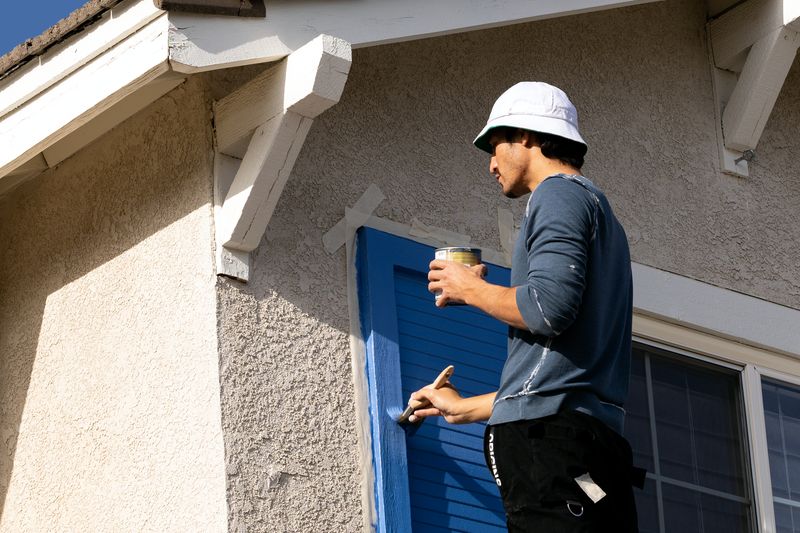
Exterior condition encompasses much more than landscaping. The walls, windows, doors, driveway, drainage, fencing, decks, patios, and outdoor structures all contribute to the property’s overall presentation and functionality. Problems outside can also signal underlying maintenance concerns. For example, damaged gutters can contribute to water issues, while poor drainage can affect foundations and landscaping. Before an appraisal, take a complete walk around the property rather than focusing only on the front entrance.
Pay attention to areas that are visibly damaged or deteriorating. Repairing these issues can help create a more cohesive impression and protect the home from further damage.
Consider prioritizing:
- Cleaning and repairing gutters and downspouts.
- Fixing damaged siding, trim, or exterior paint.
- Repairing fences and gates.
- Resurfacing or repairing damaged driveways and paths.
- Securing loose railings and steps.
- Cleaning patios and decks.
- Improving drainage around the property.
- Replacing broken exterior lighting.
Landscaping can also improve the appearance of the property, but expensive gardens and elaborate outdoor features are not always necessary. Choose improvements that are appropriate for the neighborhood and relatively easy to maintain.
A tidy, functional exterior can reinforce the impression that the property has been consistently cared for. It can also make existing features more noticeable, allowing the home’s strengths to stand out rather than being overshadowed by neglected areas.
9. Have You Completed Essential Maintenance?
Routine maintenance may not feel as exciting as a renovation, but it can have an important role in preparing a home for appraisal. Small problems can accumulate over time, creating an impression of deferred upkeep. A dripping faucet, loose cabinet, clogged gutter, damaged seal, or broken light may seem insignificant individually, but a long list of visible problems can make a property appear less cared for. Completing routine work before the appraisal allows you to address these distractions and focus attention on the home’s strengths.
Create a room-by-room maintenance checklist several weeks before the appraisal. This gives you time to identify issues, obtain quotes when necessary, and complete work without rushing.
Useful home maintenance tasks include:
- Replacing burned-out light bulbs.
- Tightening loose handles and hardware.
- Repairing dripping faucets.
- Cleaning air vents and filters.
- Checking smoke and carbon monoxide detectors.
- Cleaning gutters and downspouts.
- Touching up damaged paint.
- Lubricating or repairing sticking doors and windows.
- Replacing damaged caulking around appropriate areas.
- Cleaning neglected storage and utility spaces.
Do not overlook mechanical spaces. An appraiser may observe the condition of HVAC equipment, water heaters, electrical components, or other accessible systems. Keep these areas clean and accessible so that major systems can be evaluated appropriately.
Routine maintenance should focus on actual condition rather than superficial staging. Cleaning is worthwhile, but it should complement genuine repairs rather than substitute for them.
10. How Does Cleanliness and Organization Influence an Appraisal?
A home’s cleanliness and organization may not directly determine its market value in the same way as size or major improvements, but presentation still matters. A clean, organized property makes it easier to see the condition, layout, features, and usable space. Clutter can make rooms feel smaller and can obstruct access to important areas. Before an appraisal, homeowners should therefore make the property easy to inspect and allow its best features to remain visible.
Start by decluttering rooms, closets, garages, storage areas, and utility spaces. You do not need to remove everything from the house, but excess belongings should be organized so that floors, walls, windows, cabinets, and fixtures are visible.
Before the appointment:
- Clean floors, windows, counters, and major surfaces.
- Organize closets and storage areas.
- Remove unnecessary items from rooms.
- Make beds and straighten living areas.
- Keep garages and utility areas accessible.
- Clean kitchens and bathrooms thoroughly.
- Replace heavily worn or damaged household items when appropriate.
Pay particular attention to areas that demonstrate the home’s storage capacity. A well-organized pantry, closet, garage, or utility area can make functional space easier to appreciate.
If you have pets, plan for their comfort and ensure that odors and pet-related damage are addressed. The goal is not to create a staged showroom but to present a clean, accessible home where the appraiser can efficiently evaluate its features.
11. Can You Provide Evidence of Your Home Improvements?
One of the most overlooked ways to prepare for an appraisal is to organize documentation. An appraiser may be able to observe the result of an improvement, but records can provide additional context about what was installed, when the work was completed, and whether professional contractors were involved. This is especially useful for improvements that are not immediately obvious, such as insulation, structural work, updated electrical systems, or major mechanical upgrades.
Create a simple folder containing documentation for significant improvements. Organize the information chronologically or by category so it is easy to review.
Useful documents may include:
- Contractor invoices and receipts.
- Building permits.
- Architectural or renovation plans.
- Product specifications.
- Appliance documentation.
- Roof replacement records.
- HVAC installation information.
- Window replacement records.
- Warranty information.
- Documentation for additions and conversions.
You can also prepare a concise improvement summary that lists major upgrades and their completion dates. Avoid exaggerating the value of improvements or presenting unsupported estimates. The purpose of documentation is to provide accurate information, not to influence the appraiser with an arbitrary valuation.
If your property has features that may not be immediately apparent, such as upgraded insulation or a permitted finished area, documentation can make those improvements easier to understand. Good records also benefit you beyond the appraisal because they provide a useful history of the property for future maintenance, insurance, resale, and renovation planning.
12. Should You Compare Your Home With Similar Properties?
Understanding comparable properties can help you make smarter decisions before an appraisal. Appraisers typically consider recent sales of similar homes in the area, so homeowners should avoid assuming that every renovation will have the same effect on value regardless of location. A high-end upgrade may be appropriate in one neighborhood but excessive in another. Looking at comparable properties can help you identify which features are common, which are missing from your home, and where improvements may have the greatest practical impact.
Research recently sold homes that are reasonably similar in size, age, location, condition, and features. Active listings can also provide useful context, although asking prices do not necessarily represent actual market value.
Compare factors such as:
- Number of bedrooms and bathrooms.
- Overall square footage and usable space.
- Kitchen and bathroom condition.
- Roof and exterior condition.
- Garage or parking availability.
- Outdoor features.
- Age of major systems.
- Quality and condition of finishes.
You can also speak with a local real estate professional for general market insight. They may be able to identify features that buyers currently prioritize and explain how comparable properties are positioned.
The goal is not to replicate another house. Instead, use comparable properties to establish reasonable expectations. If most nearby homes have updated kitchens but yours is significantly outdated, a targeted kitchen improvement may make sense. If your property already compares favourably, spending heavily may produce diminishing returns.
How Should You Prioritize Improvements Before an Appraisal?
With so many potential projects, homeowners can easily spend more money than necessary. The most effective strategy is to prioritize improvements based on condition, functionality, market relevance, and cost. Start with problems that could negatively affect the property’s condition, then address improvements that make the home more competitive with comparable properties. Cosmetic projects should generally come after essential repairs and major maintenance concerns.
A practical priority system looks like this:
Priority 1: Safety and structural concerns
Address significant problems involving the roof, foundation, electrical system, plumbing, stairs, railings, or other components that affect safety and structural integrity.
Priority 2: Water and moisture protection
Repair leaks, drainage issues, damaged roofing, gutters, plumbing problems, and other sources of water intrusion.
Priority 3: Major systems
Evaluate aging HVAC, electrical, plumbing, windows, water heaters, and other important components that affect functionality and reliability.
Priority 4: High-impact rooms
Consider targeted updates to kitchens, bathrooms, bedrooms, and living areas where the condition is noticeably below the local standard.
Priority 5: Exterior presentation
Improve landscaping, entryways, siding, paint, lighting, fencing, and other visible elements.
Priority 6: Cosmetic details
Finish with cleaning, decluttering, paint touch-ups, hardware replacements, and other inexpensive improvements.
This approach helps prevent homeowners from spending thousands on cosmetic features while more important issues remain unresolved.
What Improvements Should You Avoid Before an Appraisal?
Not every renovation is guaranteed to increase value. Some projects may provide excellent personal enjoyment but have limited influence on market value. Others can become expensive distractions if completed shortly before an appraisal without enough time to evaluate their quality or relevance.
Avoid making major decisions based solely on the assumption that an appraiser will add the project’s full cost to the home’s value. A $30,000 renovation does not necessarily produce a $30,000 increase in appraised value.
Be cautious about:
- Highly personalized renovations.
- Luxury finishes that are unusual for the neighborhood.
- Major projects with questionable return on investment.
- Unpermitted additions or conversions.
- Removing functional rooms to create specialized spaces.
- Expensive landscaping that requires extensive upkeep.
- Cosmetic changes that conceal rather than repair underlying problems.
This does not mean homeowners should never pursue these projects. If a renovation improves your quality of life and you plan to remain in the property for years, personal value can be an important consideration. The key is to distinguish between an improvement you want for yourself and an improvement intended primarily to support property value.
How Long Before an Appraisal Should You Start Preparing?
Ideally, begin preparing several weeks before the appraisal rather than waiting until the day before. This gives you enough time to identify problems, obtain professional advice, complete repairs, gather documentation, and clean the property thoroughly. A rushed renovation can introduce new defects or leave work unfinished, which can undermine the benefits of the project.
Four to eight weeks can provide a useful preparation window for many homeowners. During this period, conduct a detailed walkthrough and divide improvements into essential repairs, worthwhile upgrades, and optional cosmetic projects.
A simple timeline could look like this:
Four to eight weeks before:
Inspect the property and identify repairs, maintenance concerns, and improvement opportunities.
Three to six weeks before:
Complete important repairs and arrange professional work for major systems where necessary.
Two to four weeks before:
Finish targeted cosmetic improvements, exterior work, landscaping, and minor upgrades.
One to two weeks before:
Gather permits, receipts, warranties, renovation records, and information about major improvements.
A few days before:
Clean, declutter, organize storage areas, and make sure the appraiser can access important parts of the property.
The day before:
Complete a final walkthrough and address any remaining minor issues.
Planning ahead reduces stress and helps ensure that the property is presented accurately and professionally.
How Much Should You Spend to Increase Your Home’s Appraisal Value?
The amount you should spend depends on your property’s current condition, local market, financial goals, and the likely return from each project. There is no universal renovation budget that guarantees a higher appraisal. In many cases, strategic repairs and moderate improvements offer better value than expensive renovations completed solely for the appraisal.
Consider the relationship between the home’s current condition and nearby properties. If your house has obvious deferred maintenance, addressing those problems may be more important than adding premium finishes. Conversely, if the property is already in excellent condition, a major renovation may not provide enough additional value to justify its cost.
Before spending significant money, ask:
- Does this improvement fix a genuine problem?
- Is the feature common or desirable in comparable homes?
- Will it improve functionality or durability?
- Is the project appropriately scaled to the property?
- Is the work likely to be recognized as an improvement in the local market?
- Can the project be completed properly within the available budget?
When major work is involved, obtain multiple estimates and consider professional advice. Avoid rushing into projects based on assumptions about appraisal value.
Remember that an appraisal is only one measure of a property’s worth. The benefits of a renovation can also include improved comfort, lower operating costs, reduced maintenance, greater functionality, and stronger buyer appeal.
Final Thoughts: Focus on Value, Not Just Appearance
Increasing a home’s appraised value is not about making the property look expensive for a single appointment. The strongest strategy is to improve the home’s condition, functionality, durability, efficiency, and overall appeal in ways that make sense for the local market. Start with essential repairs, address deferred maintenance, improve high-impact rooms, strengthen the exterior, document major upgrades, and compare your property with similar homes before committing to expensive projects.
A thoughtful approach can help you avoid unnecessary spending while ensuring that important improvements are visible and properly documented when the appraisal takes place. Most importantly, prioritize upgrades that provide lasting benefits for both your property’s value and your everyday experience as a homeowner.