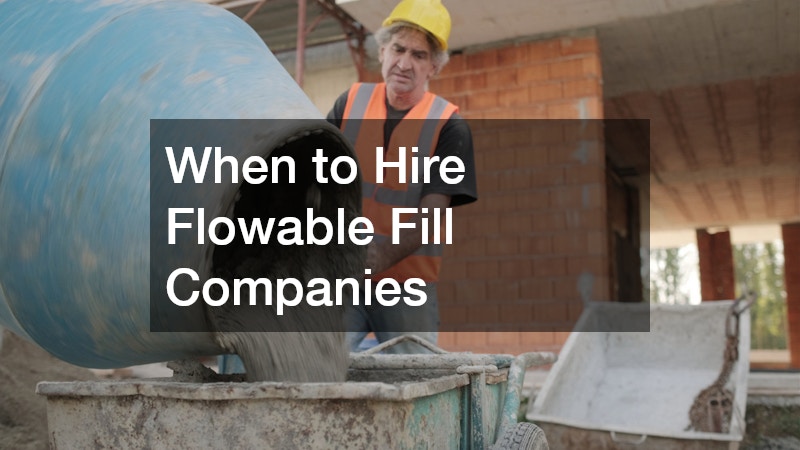

This section introduces the topic of hiring flowable fill companies and sets the stage for understanding why and when their services are essential. In the world of construction and civil engineering, choosing the right materials for each stage of a project is critical. One material that has gained popularity in recent years is flowable fill.
As with any specialized construction service, knowing when to hire a flowable fill company can make a significant difference in both the efficiency and cost-effectiveness of your project. Understanding the unique benefits and applications of flowable fill begins with an overview of its characteristics and uses.
What is Flowable Fill and Why is it Used?
Definition and Characteristics of Flowable Fill
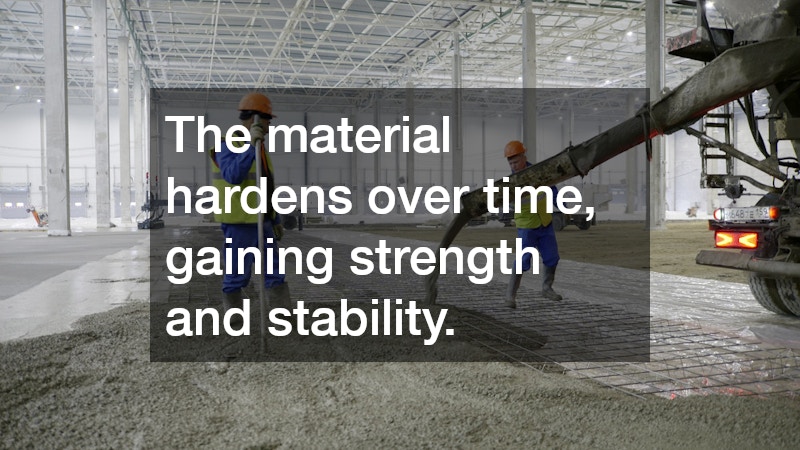
Flowable fill is a self-compacting, cementitious material used primarily as a backfill. It typically consists of a mixture of cement, sand, water, and air, making it easy to pour and place. Unlike traditional backfill materials, flowable fill flows into place, eliminating the need for extensive manual compaction. Key characteristics include its ability to reach virtually any area due to its liquid state and its quick-setting properties, which facilitate speedy project completion. The material hardens over time, gaining strength and stability, which can be tailored based on specific project requirements.
Common Applications of Flowable Fill
Flowable fill is widely utilized in various construction scenarios where ease of application is paramount. It is often used for trench backfilling, pipe bedding, and void filling, providing a convenient and efficient alternative to conventional methods. In utility repairs, flowable fill’s ease of removal ensures easy access when maintenance is required, making it a popular choice for contractors. Furthermore, its use minimizes the risk of ground settlement and structural compromise, which are common with traditional backfill materials. Projects that require minimal disruption and quick completion can particularly benefit from its application.
How to Choose the Right Flowable Fill Company
Assessing Company Experience and Reputation
When selecting a flowable fill company, understanding its experience and reputation in the industry is vital. Companies with a strong portfolio of completed projects will typically have the necessary expertise to handle complex and challenging applications of flowable fill. Evaluating their history through customer reviews, case studies, and industry recognitions can provide insights into their capabilities. An established reputation often indicates a company’s ability to consistently meet client expectations, maintain quality standards, and provide reliable service delivery. Furthermore, companies with extensive experience can offer valuable advice on best practices and innovative solutions tailored to specific project needs.
Understanding the Process Offered by the Company
Understanding the processes and technology employed by a flowable fill company is key to selecting the right service provider. Companies that offer clear, detailed explanations of their methodologies and the materials they utilize inspire confidence and allow you to anticipate project outcomes accurately. A comprehensive overview of their approach includes mixing procedures, specific materials used, and set times tailored to your project’s requirements. This insight ensures your own project’s specifications can be met effectively, from environmental conditions to design constraints. Working with a company that actively innovates and refines its processes can lead to improved efficiency and cost effectiveness.
When is the Ideal Time to Hire a Flowable Fill Company?
Identifying Project Needs and Timelines
Determining the right time to hire a flowable fill company hinges on the project’s specific needs and timelines. Early-phase project planning should include identifying any structural, utility, or environmental challenges that could necessitate flowable fill solutions. This foresight helps outline when such services are critical to maintaining timeline integrity and reducing overhead costs. During planning, strategic assessments should highlight where flowable fill can expedite the timeline without compromising quality or safety standards. Prioritizing this stage in the planning process can safeguard against project delays, thereby ensuring its seamless execution and avoiding cost overruns.
Recognizing scenarios where flowable fill can provide unique benefits should be encapsulated in project scope definitions. Typically, these materials suit projects with limited access or those requiring rapid installation, making flowable fill an efficient interim solution. Furthermore, early identification of seasonal or weather-related risks—such as those associated with extensive manual compaction during colder months—helps capitalize on flowable fill’s ease of application and self-setting properties. Engaging a flowable fill company proactively can help mitigate logistical challenges, ensuring that the project proceeds unhindered by common roadblocks encountered in traditional methods.
Seasonal and Environmental Considerations
Seasonal and environmental factors play a crucial role in deciding when to employ a flowable fill company. Variations in temperature and precipitation can affect construction timelines by impacting site conditions, but are less problematic with flowable fill compared to traditional fill methods. Flowable fill’s inherent qualities allow for placement in wet conditions, providing an edge during the rainy season when soil fill might not compact well. This makes it an essential consideration for projects scheduled during unpredictable weather patterns, as it mitigates delays often faced with alternative solutions. Understanding these conditions allows for strategic planning in timing service engagements.
This section summarizes the key points discussed about hiring flowable fill companies and their importance in project completion. The utilization of flowable fill mixes provides discernible advantages over traditional materials, emphasizing cost-effectiveness, efficiency, and sustainability. Strategic planning and decision-making around its implementation—and choosing the right provider—enhance both immediate project benefits and long-term infrastructure integrity. As with any professional services engagement, aligning project requirements with the right flowable fill company is crucial to its success. Ultimately, a well-informed decision about when to hire these services contributes to seamless project operations and optimal results.